
Stakeholder Engagement – No Longer an Option

Sandy Nessing
July 29, 2010

At AEP, we started a formal stakeholder process about four years ago. Many in management thought we were nuts to organize face-to-face dialogue with environmental groups; I mean, we are one of the largest coal-burning electric utilities with a legacy of opposing the Clean Air Act. It was an uncomfortable conversation but it was the start of a transformation of how we operate as a business.
Stakeholder engagement builds trust, credibility and political capital, and it requires a commitment to honesty, candor and transparency. The purpose is not to agree on everything; in fact, that would be pointless. Rather, it's a way to open dialogue to seek common ground, listen to one another to gain a better understanding of where you stand and why, and use that insight to your mutual advantage. You'd be surprised what happens.
When I organized the first stakeholder meeting in early 2007 at AEP, it was like a boxing match. Stakeholders challenged; we defended; and when we took breaks, we each went to our own corners. We quickly realized, however, the opportunity and richness of engaging with others and the new perspectives it offered us.
Today, our formal meetings are standing room only and executives use it as a development opportunity for themselves and others. Stakeholder engagement has transformed one-way communication into two-way communication, dialogue into working relationships and working relationships into partnerships. It is part of how we conduct our business today. We do it one-on-one, in groups, face-to-face and electronically. We do it with purpose and intent because we view engagement as a core competency.
The conversations are still tough and we often agree to disagree, but our stakeholders have made us stronger and more resilient. We like to think we've done the same for them.
Related
Sponsored Content
About the Author
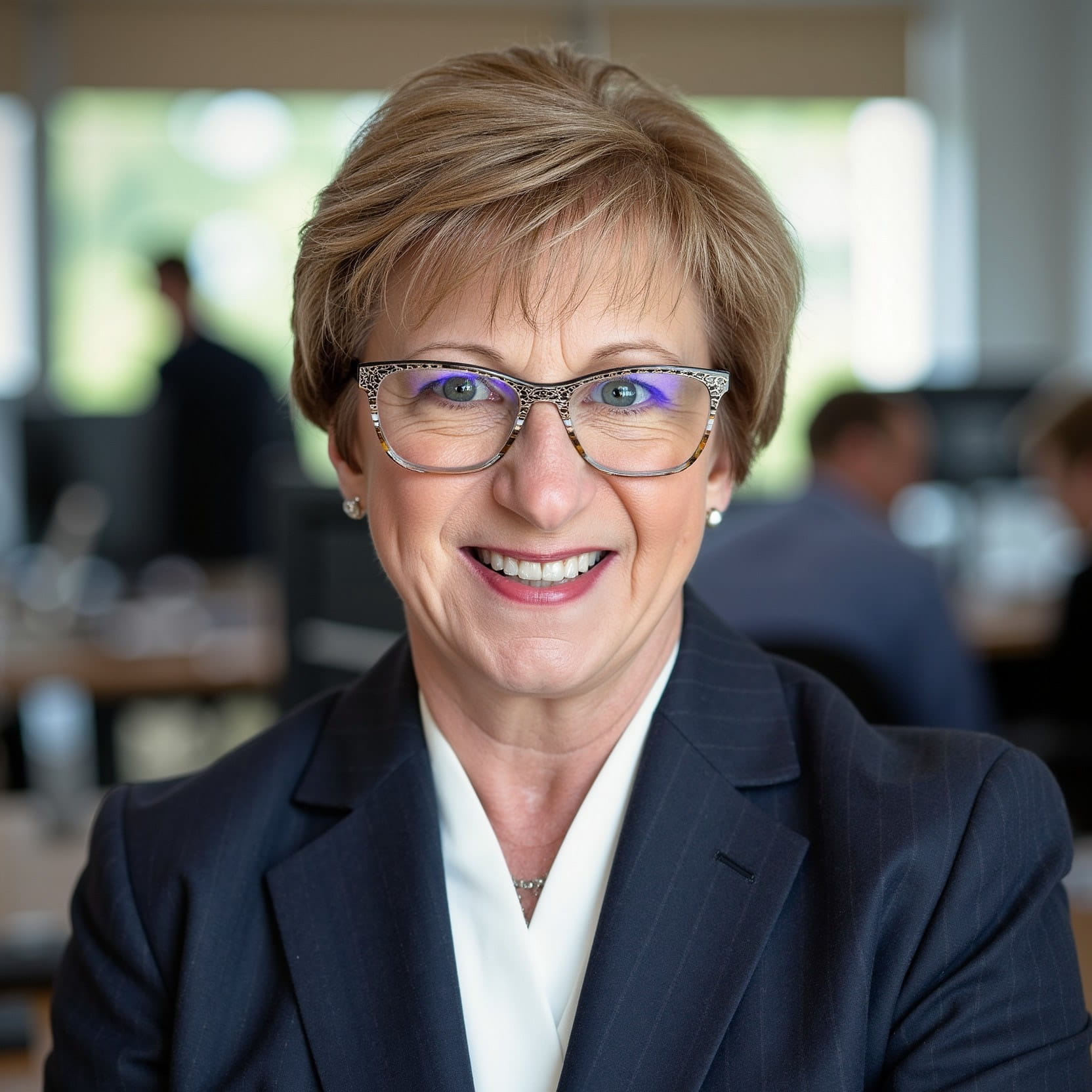
Sandy Nessing
TRC Companies
Sandy has nearly three decades of transformative leadership in the utility sector, during which she served as a driving force behind innovative corporate sustainability and communication strategies. Her expertise spans ESG and sustainability reporting, corporate governance, stakeholder and community engagement, culture transformation, strategic communications, materiality assessments, and risk management. As a Senior Advisor at TRC, Sandy helps clients identify and implement strategic sustainability solutions to better navigate evolving reporting requirements and meet the growing demand for transparency.