
How to Stay Ahead of Emerging EHS&S Regulations

Taylor Murphy
September 25, 2026

Staying ahead of or falling behind regulatory shifts can impact a company’s reputation, operations, and workforce. The challenge is not just knowing what has changed, but understanding whether it matters, when it matters, and how it could affect operations and sustainability goals.
For companies that want to stay ahead, there are two big opportunities. The first is using technology to help teams track applicable regulations and maintain stronger compliance programs. The second is making sure human expertise is built into that process.
Technology can be a tremendous time-saver, and AI can help compliance teams summarize legislation, compare requirements, and find answers more quickly. But regulatory compliance is rarely just about what a regulation says in isolation. The answer has to make sense for the organization using it: its operations, jurisdictions, industry, and business priorities. That context is where expert judgment makes the difference.
Where companies can get into trouble is relying too heavily on generic tools without expert knowledge and judgment behind them. The risk is that confident, polished AI output can make an incorrect answer look just as credible as a correct one. That is exactly why human expertise and practical experience are so important.
To start strengthening your compliance intelligence, a good first step is to look closely at the tools and processes your team is already using. Today, most teams are already expected to use AI and other technologies to work more efficiently, so the question isn’t whether to use AI, but rather what kind of support sits behind it? Is it a generic tool that simply retrieves information, or is it part of a broader program that combines technology, expertise, and regulatory knowledge to put changes into business context?
Start by asking: What expertise is built into the AI? Can you trace the answer back to its source? Has it been validated by regulatory experts with jurisdiction-specific knowledge?
Those questions can help teams understand where the technology is strong and where expert support needs to be part of the process.
Taylor will be discussing this topic further at FORUM26! Don’t miss her session, “Strategies for Keeping Up with Emerging Regulations,” on Tuesday, Oct. 13, 2026, from 3:45 - 5:00 PM.
Sponsored Content
About the Author
Taylor Murphy
Enhesa
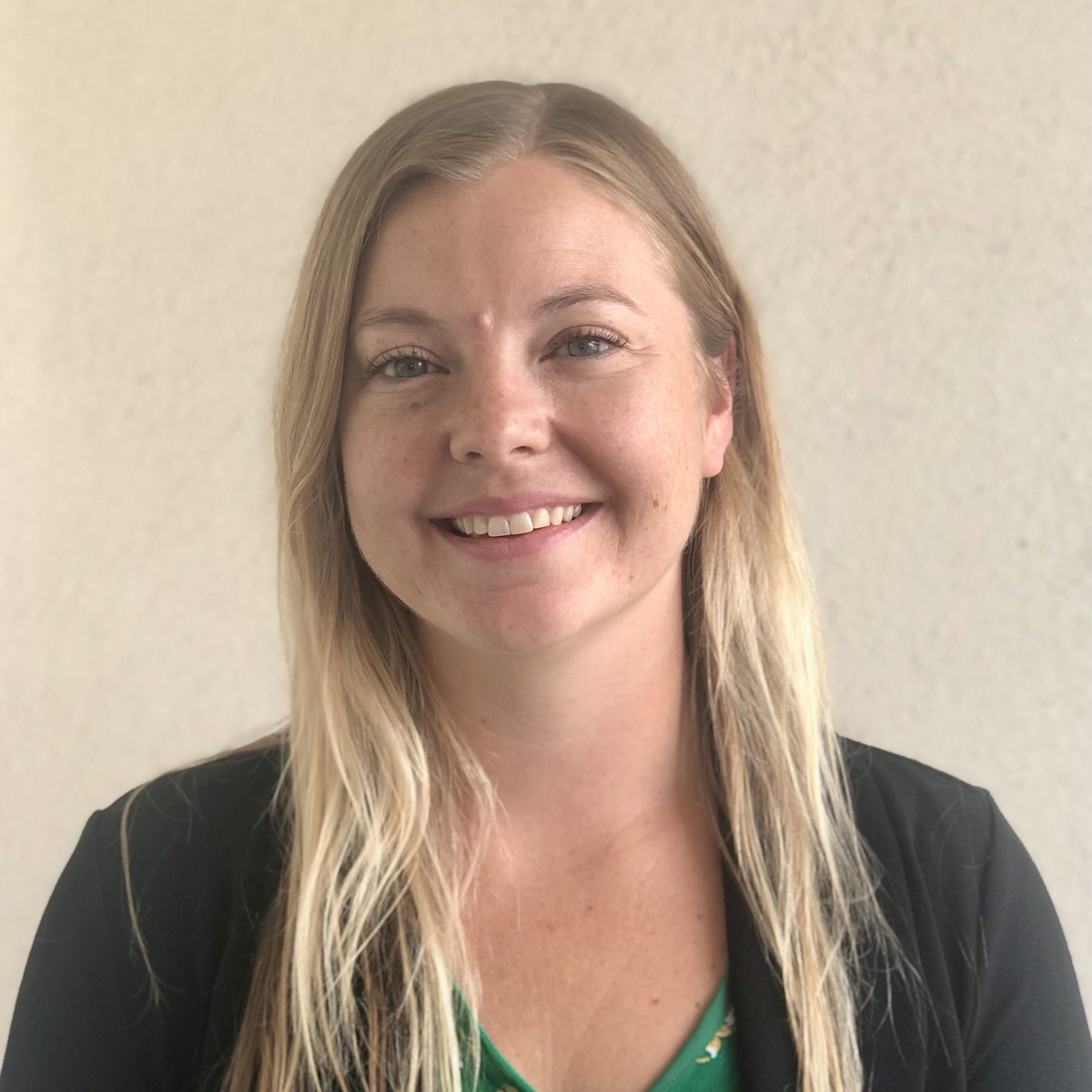
Taylor Murphy joined the Enhesa team in 2019 and works as an Expert Services Manager. She helps companies develop and implement EHS and ESG programs and supports EHS and ESG managers and leaders reach compliance and sustainability goals.
She holds a J.D. and a Masters of Environmental Law and Policy from Vermont Law School, and is a licensed attorney in the US.
Water resources and employee wellbeing are two topics that Taylor has been particularly passionate about. “Water is an essential resource and it is crucial that we not only protect our water resources but also ensure that all people have access to clean water.” Also, companies cannot be sustainable without a healthy workforce. Employee wellbeing and mental health is becoming much more top of mind for regulators and companies, and it is an exciting area of the law to explore.
Taylor enjoys working directly with clients and helping them figure out the best and most effective way to comply with the EHS and sustainability regulations that apply to them. She views her work as a direct way to try and protect our natural resources and environment for future generations, as well as ensure healthy and safe workplaces for employees.
She holds a J.D. and a Masters of Environmental Law and Policy from Vermont Law School, and is a licensed attorney in the US.
Water resources and employee wellbeing are two topics that Taylor has been particularly passionate about. “Water is an essential resource and it is crucial that we not only protect our water resources but also ensure that all people have access to clean water.” Also, companies cannot be sustainable without a healthy workforce. Employee wellbeing and mental health is becoming much more top of mind for regulators and companies, and it is an exciting area of the law to explore.
Taylor enjoys working directly with clients and helping them figure out the best and most effective way to comply with the EHS and sustainability regulations that apply to them. She views her work as a direct way to try and protect our natural resources and environment for future generations, as well as ensure healthy and safe workplaces for employees.