
Proactive Safety: Leading vs. Lagging Indicators

Phil Molé
October 12, 2026
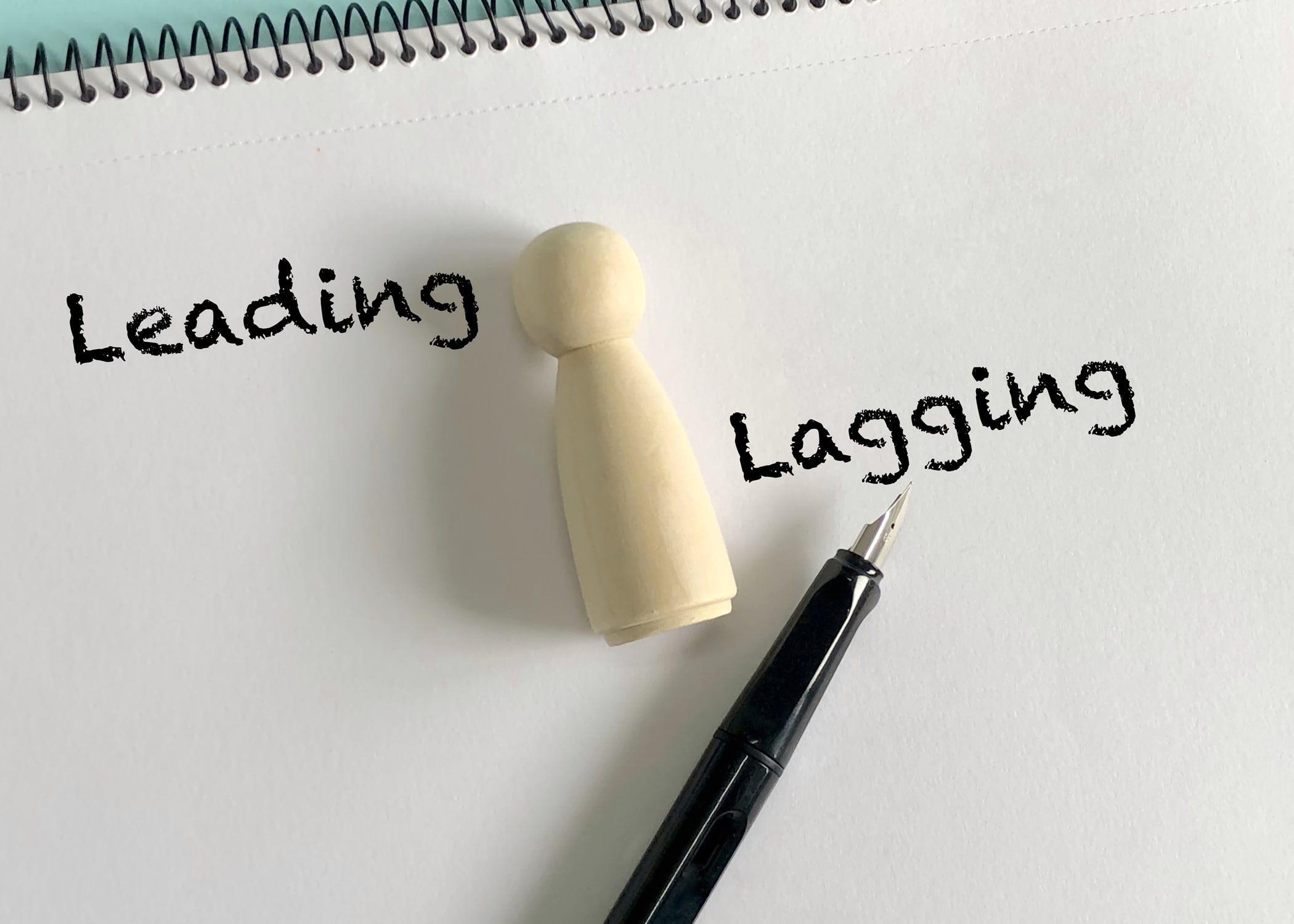
As a result, there is growing awareness of the need to shift toward a more proactive approach based on identification and control of risks. This requires selecting strong leading indicators, which measure activities likely to influence better future safety performance.
One of the most relevant areas for tracking is potential SIFs, or PSIFs. Most organizations have a significant volume of incident data, including near hits/close calls. However, incident descriptions are often missing key details, making it difficult to make a reliable judgement call about whether a particular incident is a PSIF. Subjectivity tends to fill in those gaps, and different incident investigators may apply different assumptions when deciding whether it was a PSIF or not.
Technology, including AI-driven incident management software, can address a lot of these historical challenges. For example, AI can help assess the strength of an incident description and recommend improvements, so you’ll have a better foundation to build on. Then, AI PSIF identification tools can apply all of the training they’ve had on real EHS datasets and make an accurate determination if it’s a PSIF.
If you’re ready to transition to a more proactive safety approach, here’s how to get started:
- Make an honest assessment of where you are now.
This means going beyond what your TRIR trends are telling you and talking to employees. If you’re not currently taking proactive action like conducting job safety analyses (JSAs) or hazard identification (HAZID) exercises, get teams together and make sure you’re capturing the insights of the people who do the work every day. - Get serious about finding and correcting PSIF risks.
Assess PSIF risks even for near misses/close calls and then prioritize those for follow-up. It’s never been easier to do that at scale if you have the right tools, so assess whether you need additional technological support, too.
Sponsored Content
About the Author

Phil Molé
VelocityEHS
Phil Molé is an EHS & Sustainability Expert for VelocityEHS. Phil speaks at numerous conferences and organizations, and often presents webinars on EHS management topics.
He previously worked as a Global EHS Coordinator for a large manufacturing company, where he developed and facilitated trainings on a variety of subjects and managed the company’s ISO/OHSAS certifications.
Phil has also worked as an environmental and safety regulatory consultant for approximately 13 years.
Phil's professional accreditations and memberships include: National Institute of Occupational Safety and Health (NIOSH) Traineeship from 1995 to 1997, American Society of Safety Professionals (ASSP), National Association of Environmental Managers (NAEM), OSHA 30-hour training (2012) and ISO/OHSAS Internal Auditor training (2012).
Phil has received a Bachelor of Science degree in Chemistry from DePaul University in Chicago, Illinois, and a Master’s in Public Health (MPH) in Environmental Health Sciences from UIC in Chicago, Illinois.
He previously worked as a Global EHS Coordinator for a large manufacturing company, where he developed and facilitated trainings on a variety of subjects and managed the company’s ISO/OHSAS certifications.
Phil has also worked as an environmental and safety regulatory consultant for approximately 13 years.
Phil's professional accreditations and memberships include: National Institute of Occupational Safety and Health (NIOSH) Traineeship from 1995 to 1997, American Society of Safety Professionals (ASSP), National Association of Environmental Managers (NAEM), OSHA 30-hour training (2012) and ISO/OHSAS Internal Auditor training (2012).
Phil has received a Bachelor of Science degree in Chemistry from DePaul University in Chicago, Illinois, and a Master’s in Public Health (MPH) in Environmental Health Sciences from UIC in Chicago, Illinois.