
Certifiably Sustainable?

Celia Spence
August 20, 2010

The standard has been released for a 45-day comment period and the public is encouraged to review and provide comments in an open, transparent process. “ULE 880 – Sustainability for Manufacturing Organizations” spans 102 indicators in five areas of sustainability, that include:
- Sustainability governance: How an organization leads and manages itself in relation to its stakeholders, including employees, investors, regulatory authorities, customers and the communities in which it operates.
- Environment: How an organization manages its environmental footprint across its policies, operations, products and services, including its resource use and emissions.
- Workforce: Issues related to employee working conditions, organization culture, benefits and retention.
- Customers and suppliers: Issues related to an organization's policies and practices on product safety, quality, pricing and marketing as well as its supply chain policies and practices.
- Social and community engagement: An organization's impacts on the communities in which it operates in the areas of social equity, ethical conduct and human rights.
It will be interesting to see how this has been addressed in this new standard. Is it actually possible to agree on the metrics that should be used to determine which of the companies among us is operating in a sustainable fashion? Are there too many subjective choices in deciding what is sustainable and what is not, or do we have enough of a consensus to move forward with a standard at this point?
It will be important to get involved in this and to provide our feedback on the draft. If such a standard is finalized and becomes widely used, it is something that will affect us all and shape the work that EHS managers do on a daily basis. What are your thoughts? Is a standard a welcome development? Will consensus be possible?
Tags:
Metrics and Reporting
Related
About the Author
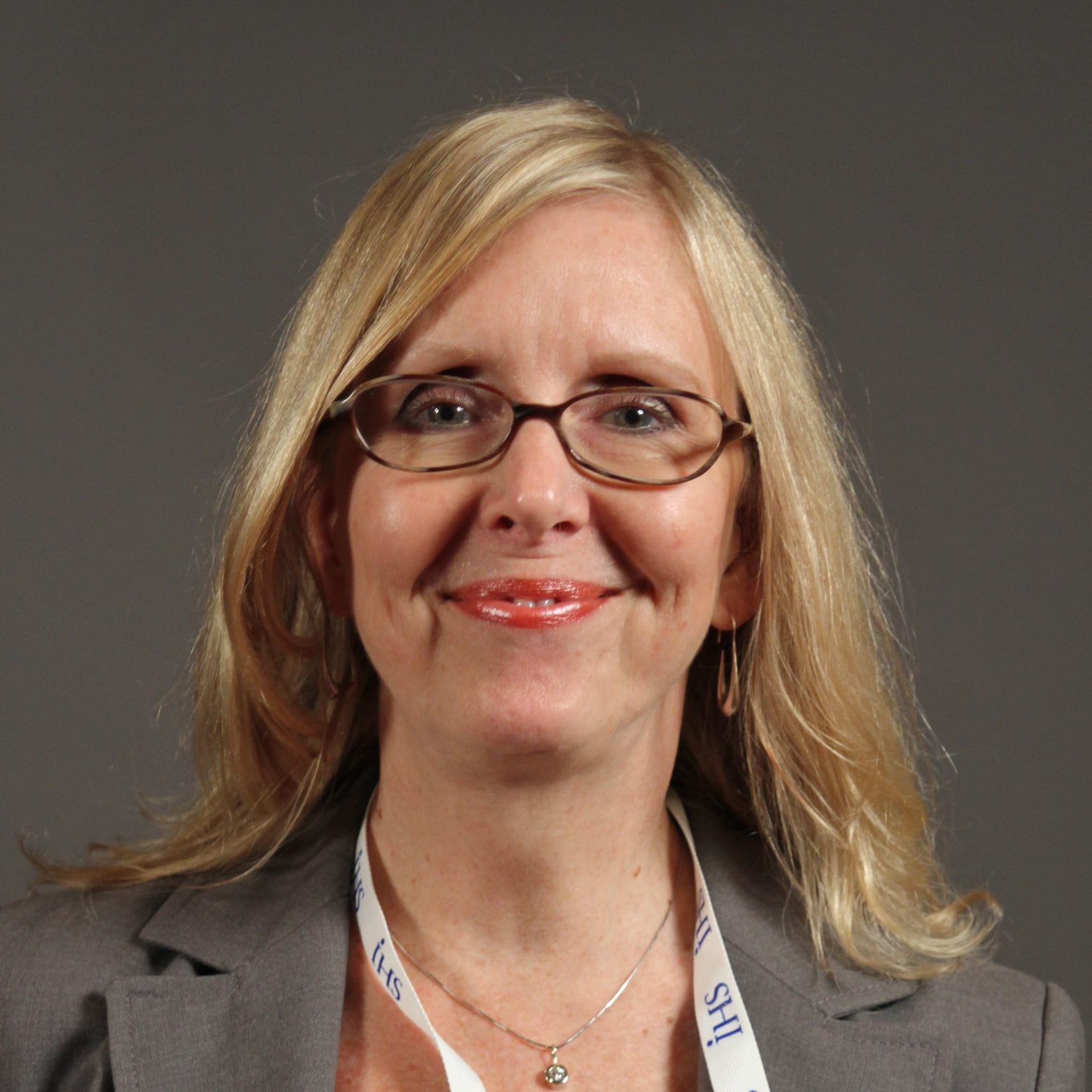
Celia Spence
Westinghouse Electric Co.
Celia Spence is Director of Sustainability for Westinghouse Electric Co.