
Will the BP spill change anything?

Carol Singer Neuvelt
July 15, 2010
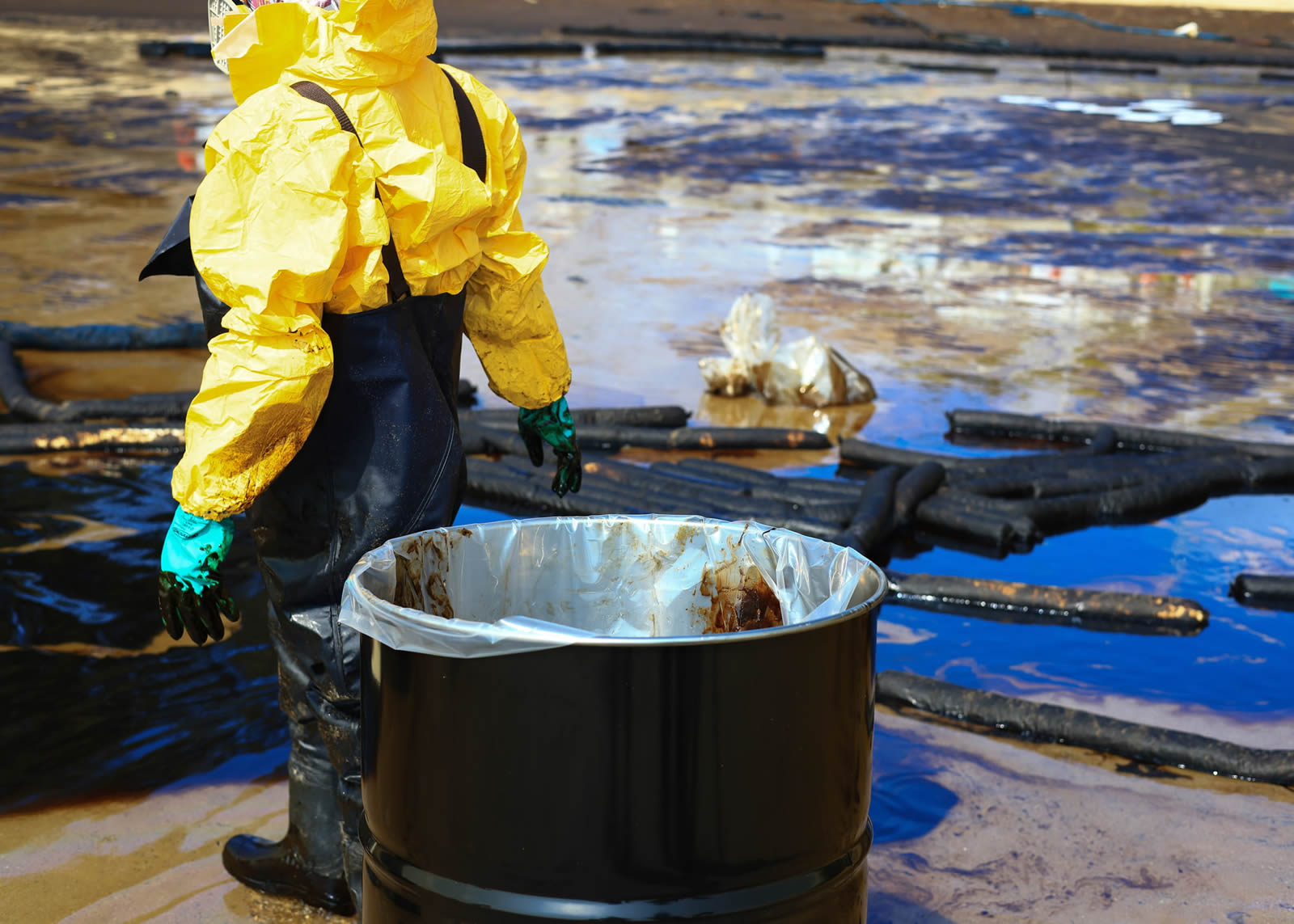
"For environmentalists, the BP oil spill may be disproving the maxim that great tragedies produce great change. Traditionally, American environmentalism wins its biggest victories after some important piece of American environment is poisoned, exterminated or set on fire...But this year, the worst oil spill in U.S. history-- and, before that, the worst coal mining disaster in 40 years -- haven't put the same kind of drive into the debate over climate change and fossil-fuel energy."
As I was reading the article, it seemed to me that if a society's not ready for action, environmental disasters won't necessarily translate into change. Indeed, in looking back over the history of environmental catastrophes, the cultural context seems to be as important to change as the tragedy itself.
One of the first examples we confronted, of course, was the burning of Ohio's Cuyahoga River in 1969. During my tenure at the EPA, we talked about that incident as the seminal event that established the need for a regulatory framework at both the federal and state level. From my perspective, the other reason this event had such a big impact is because it came on the heels of the cultural movement of the 1960s, which included a focus on society's connection with the earth.
The next major event was the nuclear meltdown at Three Mile Island in 1979. What this taught us is that the regulation of end-of-pipe controls alone do not prevent disasters. And the unintended consequences of engineering (such as we are facing now) are not always thoroughly considered. The result was a greater emphasis in the regulatory world on the need for environmental and safety oversight from inside a company. It was also the beginning of the recognition of the role community activists can have on the public debate. As we began to notice the long-term effects of industry on communities, citizens started to find their voice through activists like Lois Gibbs who advanced the environmental movement in a new way.
And then in the 80s, we had the gas leak at the Union Carbide plant in Bhopal, India and the explosion at the Chernobyl nuclear facility in the Ukraine. These tragedies not only introduced our global awareness and response to environmental issues, but also were catalyst that led to the passage of community "right-to-know" legislation. The other key outcome from Bhopal that's still relevant today was the strong demand for public and financial accountability. Union Carbide no longer exists, yet the effects of the leak continue in the form of on-going litigation, severance to individuals, and continued quantification of the disaster's impact.
So what does this all mean for where we're headed tomorrow? What do you think?
Should the BP spill be an instigator for climate change legislation? Should regulations come out of it? If so, what regulatory, legal, financial or societal changes do you think we need? I'd love to hear from you.
Related
Sponsored Content
About the Author

Carol Singer Neuvelt
NAEM
Carol Singer Neuvelt is currently the Executive Director of NAEM, the largest professional association for EHS&S leaders. Read more here.