
Why You Need to Take a Risk-Based Approach to EHS Management

John Easton
September 30, 2025
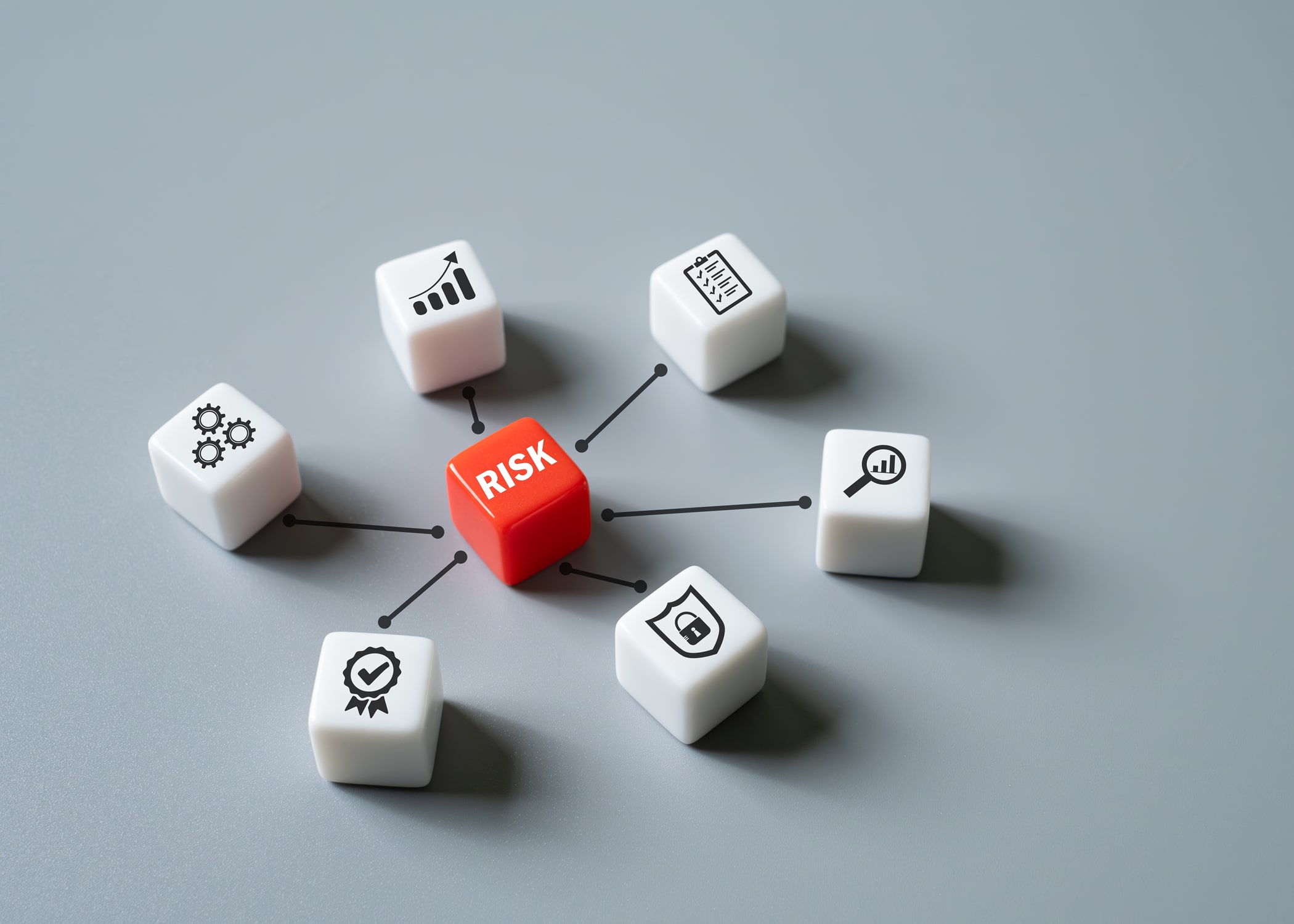
More companies realize a compliance-based approach only goes so far in helping to reduce serious injuries and fatalities (SIFs), and that a risk-based approach is ultimately needed.
Market research shows SIF prevention remains the top goal for many. Meeting this concern with thought leadership and dialogue is vital to improving risk management in North America.
As the saying goes, an ounce of prevention is worth a pound of cure. Folks in finance realize how important SIF prevention is when it comes to organizational risk. However, two key barriers often stand in the way of progress:
- Lack of knowledge about the best methods for managing risk
- Difficulty shifting corporate culture away from compliance-based to risk-based thinking, which can sometimes feel like a leap of faith
Moving in the right direction towards a risk-first culture means doing your research, talking to experts and thought leaders, and exploring technology solutions to understand which are the best fit for your organization.
Related
Sponsored Content
About the Author

John Easton
Wolters Kluwer Enablon
John began his career in EHS and Risk Management after completing a Masters in Industrial Hygiene in 1996. In 2000 he obtained the Canadian Registered Safety Professional (CRSP) designation. He spent 12-years at Toyota, where he gained hands-on industry experience managing plant and construction safety, and leading strategic initiatives such as the development of the ISO-based Toyota Safety Management System. From there, John jumped into the digital EHS and Risk Management world and led Product Management at Cority for 14-years. In his current role at Enablon, John advises the organization and its clients on how best to use digital solutions to reduce workplace risk, drive value and maximize performance.