
The Power of Community in an Era of Disruption

Nicole Wilkinson
February 4, 2026
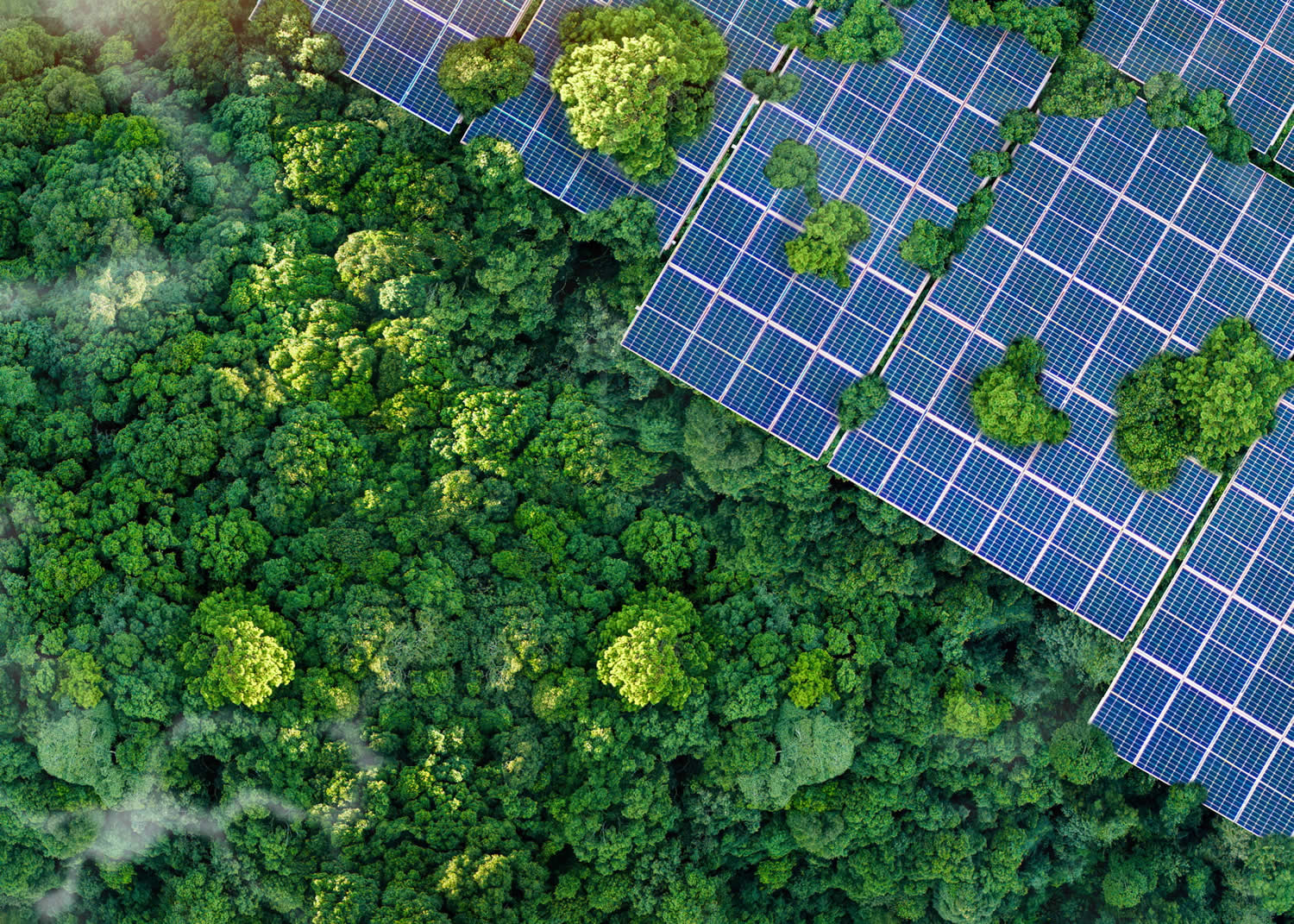
Environmental systems, workforces, and business models are evolving at unprecedented speed — shaped by extreme weather, geopolitical instability, and rapid technological change. Inside our organizations, we’re navigating transformation while being asked to move faster, deliver more, and manage greater risk. As EHS and Sustainability leaders, we stand at the intersection of these forces, responsible for turning complexity into clarity and uncertainty into action.
That’s why NAEM matters. This community gives us trusted peers, practical insight, and collective strength. My call to action is simple: lean in — share your experience, challenge one another, and fully engage with this community. The more we participate, the stronger and more effective we become as leaders, and the greater the impact we can make for our people, our planet, and the businesses we serve.
The acceleration of technology over the past year has been remarkable. Real-time data streams, integrated risk platforms, predictive analytics, AI-enabled inspections, wearables — tools that once felt futuristic are now becoming essential. We are moving from monitoring risk to anticipating it. From reporting compliance to engineering it into the daily workflow.
And here’s the shift that matters most: EHS data can no longer sit in its own silo. It has to live right where the work happens — in operations dashboards, production planning systems, workforce platforms, and frontline devices. When our operators have EHS insights at their fingertips, when our leaders can see emerging trends in real time, we unlock a level of impact we’ve never had before. These technologies don’t replace our expertise — they amplify it. They give us the visibility and analytical power we need to make faster, smarter, and more proactive decisions.
I would be remiss if I didn’t also mention that the rapid expansion of AI and its supporting data centers is creating growing environmental pressures — from rising electricity demand and associated carbon emissions to intensive water use that strains already stressed regions. As EHS&S leaders, we have a critical role in guiding responsible siting and operation of this infrastructure, advancing low‑carbon energy and water stewardship, and addressing full lifecycle impacts to ensure AI innovation strengthens — not undermines — community health, environmental resilience, and long‑term sustainability.
For all the advances in data and tools, our profession is still fundamentally about people. As cultural influencers, we lead with empathy. We champion total worker health because we know that wellbeing — physical, mental, emotional, and even financial — directly shapes safety outcomes. We collaborate with HR, corporate security, facilities, emergency management, and community partners because we understand that people risk is holistic, not linear. When employees feel healthy, supported, secure, and valued, safety improves, engagement improves, and the business improves.
Our work is human-centered at its core. Technology can enhance our programs, but it cannot replace the compassion, clarity, and connection that EHS professionals bring to the table every day.
The regulatory landscape continues to shift — unevenly, unpredictably, and at times dramatically impacting programs related to heat illness prevention, workplace violence, and external reporting. While federal priorities may change with political cycles, the risks we are managing do not. States, local governments, and global regulators continue to move forward, creating a complex and often fragmented set of expectations that EHS leaders must navigate with confidence and clarity.
This is where our community makes a real difference. Through open dialogue with regulators and thought leaders and by learning from one another’s experience, we help shape science‑based, practical regulation and translate it into solutions that work in the real world.
Nowhere is this more evident than in chemical stewardship and emerging contaminants. Protecting people, communities, and the environment requires that we understand the chemicals we manage, control risk across their full lifecycle, and ensure responsibility keeps pace with innovation. Our leadership — grounded in rigor, discipline, and preparedness—is what turns regulatory complexity into durable, trusted performance.
Extreme weather and natural disasters are no longer rare disruptions — they are a defining feature of how we operate. These events test our organizations and our people, and they place EHS teams at the center of resilience, response, and recovery. In moments of uncertainty, our profession shows up at its best — calm under pressure, deeply collaborative, and focused on protecting both operations and communities. By sharing lessons learned and strengthening each other’s preparedness, we don’t just recover faster, we build resilience that lasts.
Many organizations continue to face cost pressures, workforce shortages, and strategic realignment. This has forced EHS leaders to streamline programs, rethink structure, expand responsibilities, and learn how to do more with less. These pressures are real. But they also highlight something essential: EHS professionals have the ability to lead through these challenges. We lead through ambiguity, and we create stability for our teams even when the business is shifting around us.
NAEM continues to be the backbone for the EHS&S community. When we connect through NAEM, we discover we’re not alone and that our peers are dealing with the same questions, the same constraints, and the same opportunities.
As you set goals for your teams in 2026, I encourage you to think about how you can stay ahead of the disruption. Not just responding to it but anticipating it. EHS and Sustainability leaders are the steady hands during challenging times. We are the voice of calm, the bridge between functions, the advocates for people, and the guardians of environmental integrity.
This community is vital and strongest when we engage fully, and your organizations will benefit from that engagement.
- Together, we will navigate whatever comes next.
- Together, we will continue advancing our profession.
- Together, we will keep our colleagues, our communities, and our planet healthy, safe, and thriving.
Related

Sponsored Content
About the Author

Nicole Wilkinson
CVS Health | NAEM Board of Directors
As Executive Director of Corporate Health, Safety & Environment (HSE) Nicole provides strategic direction and enterprise oversight of HSE programs for CVS Health. With over twenty years of experience in the development and management of environmental permitting, compliance, and sustainability programs, she is an accomplished EHS professional with strong leadership and communication skills.
Nicole currently serves as the Chair of the NAEM Board of Directors.
Nicole currently serves as the Chair of the NAEM Board of Directors.