-
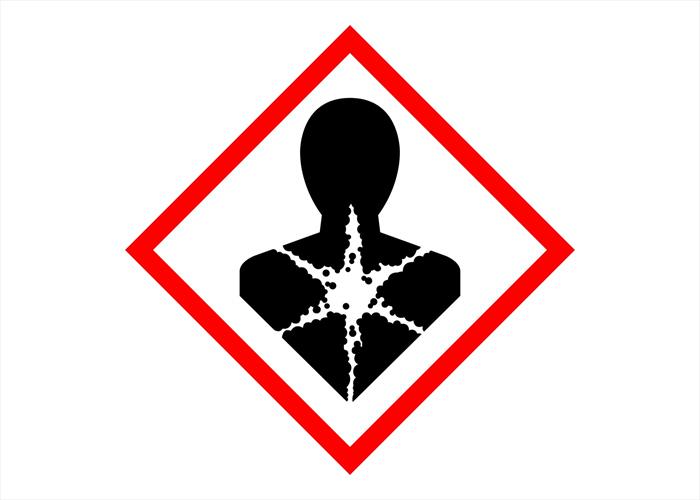
First Deadline Approaches for GHS Hazard Communications
BlogAs OSHA's adoption of the Globally Harmonized System (GHS) reshapes hazard communication requirements in the United States, EHS professionals face new training obligations, labeling standards, and documentation requirements. Understanding these changes is essential to achieving compliance and improving workplace safety. -

NAEM Joins Panel Discussion at GRI's Global Conference
BlogNAEM Executive Director Carol Singer Neuvelt joined leaders from Curio, Prudential Insurance, and the New York Stock Exchange at the Global Reporting Initiative (GRI) conference in Amsterdam to discuss sustainability reporting and corporate transparency. NAEM also shared plans to help members understand GRI's updated reporting guidelines. -

Identifying the Sustainability Risks Along Your Supply Chain
BlogWhen it comes to reducing waste, water use and energy consumption along your supply chain, where do you even begin? -

Smart Technology Holds Keys for Sustainable Operations
BlogAs smart technologies become increasingly interconnected, they are creating new opportunities for companies to improve efficiency, reduce resource use, and drive innovation. This interview explores the concept of VERGE—the convergence of energy, transportation, buildings, and information technologies—and examines how these emerging systems can help organizations break down silos, optimize operations, and take a more integrated approach to sustainability. -
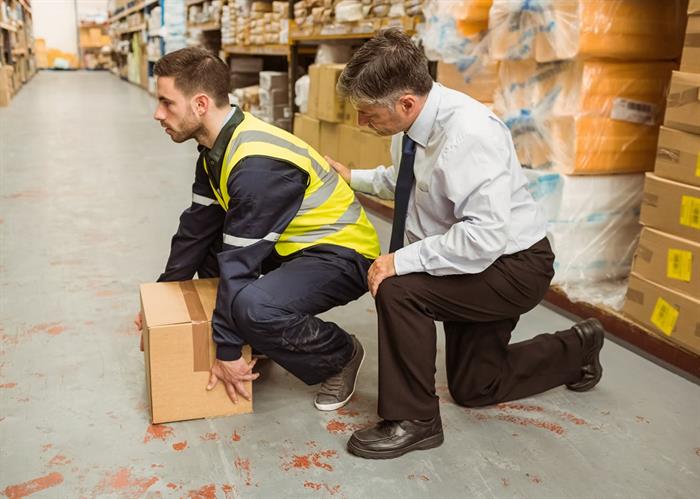
Measuring the Effectiveness of Your Training Program
BlogEvaluating training effectiveness requires looking beyond satisfaction and learning to measure behavioral changes and business results. Using the Kirkpatrick Model’s four levels - reaction, learning, behavior, and results - organizations can systematically assess whether training improves job performance, safety outcomes, and overall organizational success. -

Aligning Environmental Metrics with Business Performance
BlogIn spite of all of this progress, environment and business are still viewed as separate topics with separate (albeit more closely related) goals. The actual intersection at which good environmental and business practices become one - the point at which they become truly aligned - has eluded us. -

“Not On My Watch”: How Sandy Stash Found Career Success by Leading Change in Challenging Environments
BlogA petroleum engineer by training, Sandy Stash was one of the first women to work as a drilling engineer and drilling rig foreman at ARCO locations across North America. Today she is the Global Senior Vice President of Health, Safety, Security, Environment and Operational Assurance at Talisman Energy. -

Leadership and Management: "It Takes Two"
BlogLearn about practicing both leadership and management, and discover the importance and necessity for an individual to have both in order to maximize effectiveness and efficiency. -

What's the staffing and structure of your sustainability team?
BlogSustainability team structure plays a critical role in effectiveness and impact. Organizations are increasingly relying on cross-functional collaboration and EHS leadership to align resources, define responsibilities, and drive meaningful business value. -

The Art of Selling Environment, Health and Safety
Blog SponsoredWe know that EHS programs don’t succeed without senior management support. But to gain this support, you must know how to sell your program, find out how by reading this post. -
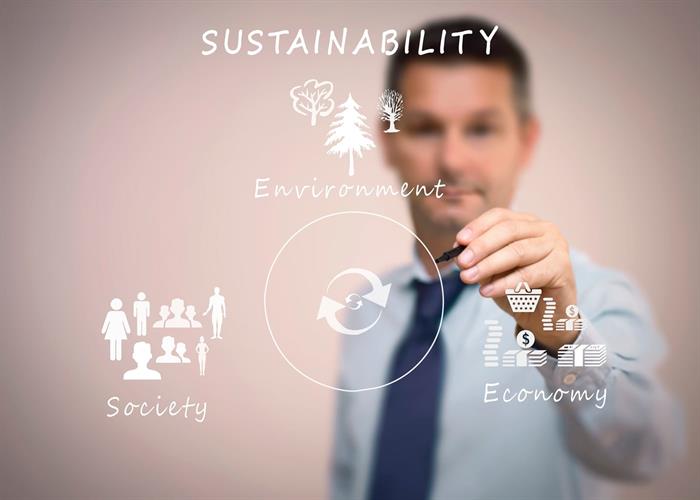
The Most Important Weapon in the Sustainability Toolbox
BlogWhat is the most important skill sustainability professionals need to do their job? An understanding of lifecycle analysis? The ability to calculate a greenhouse gas inventory? A command of climate science? -

Aligning Sustainability Goals, Vocabulary
BlogThe first was that suppliers and utilities are in agreement that sustainability is a bottom line business issue. Suppliers and utilities said that if making changes to business practices improves their return on investment, they wouldn’t hesitate to do it. The second theme was the need for more consistency around the definition of sustainability. -
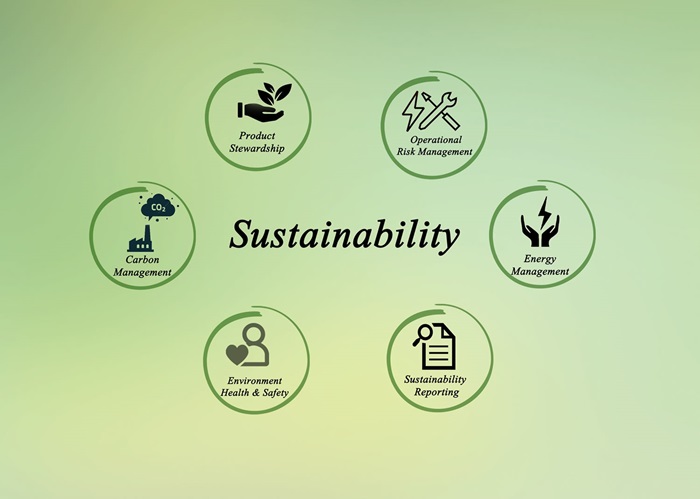
Transforming Sustainability Principles Into Sustainable Products
BlogFor Johnson & Johnson, EHS reviews are embedded in the new product development process. Learn how the company's product stewardship transforms sustainability principles into sustainable products. -

Engaging Employees Means Sparking Passion
BlogOne of the greatest leadership challenges we face continues to be the unlocking of human potential in our workplaces. “Organizations will never be fully capable until they are fully human”, proclaims Hamel. -

What We Can Learn From the Foxconn Factory Audit
BlogA 2012 Fair Labor Association audit of working conditions in a major electronics assembly plant in China turned up alarming conditions. Unfortunately, these issues are not limited to any one company or industry. What can we all learn from this experience? -

EHS MIS Selection: People, Process...and then Technology
BlogChoosing the right EHS MIS starts long before vendor demos. Discover why people, processes, and clear requirements are the foundation of successful software selection. -

From Strong Relationships Comes Healthy EHS Culture
BlogAt a February meeting of my company’s environment, health and safety (EHS) leaders, a guest speaker reminded the group how important relationships are in effective EHS management. The following day, I picked up the Feb. 20, 2012, issue of Time magazine that featured a cover article on the science of animal friendships. -

Measuring Change (and what Frank Zappa would say about it)
BlogExplore how organizations measure meaningful change, encouraging leaders to question assumptions, stay curious, and focus on real impact rather than relying on comfortable metrics that may not reflect true progress. -
.tmb-listing.jpg?Culture=en&sfvrsn=3259f959_1 "naem-2026-green-tie-blog-2012-how-a-new-design-revolution-will-change-supply-chain-management-700x500 (1)")
How a New Design Revolution will Change Supply Chain Management
BlogA new design philosophy is transforming supply chains from linear, cost-focused systems into circular, sustainable networks driven by smarter product design and collaboration.
