-

Delivering More Value, Less Mass
BlogDelivering greater business value while reducing environmental impact is no longer a tradeoff, it is an expectation. Leading companies are rethinking products and processes to meet customer needs with fewer materials, less waste, and smarter design. By focusing on outcomes over inputs, organizations can unlock innovation, cut costs, and create more sustainable solutions that benefit both the bottom line and the environment. -

Throwing Away the Dumpster: How Burt's Bees Achieved Zero Waste to Landfill
BlogIn 2007, Burt's Bees set out to achieve zero waste status by 2020. Three years in, the company has achieved zero waste to landfill and reduced its waste stream from 344 tons to 66 tons. -
What are the green metrics that really matter?
BlogAs ESG ratings, rankings, and reporting frameworks continue to multiply, companies face growing pressure to provide sustainability data to a wide range of stakeholders. This post examines whether today's ESG metrics truly reflect environmental performance and explores the need for more meaningful measures that support better business decisions. -

Engineering Ergonomics
BlogMost safety professionals believe that occupational ergonomics is a safety discipline because organizations have traditionally looked to them to address “ergonomic issues.” I pose to you a different paradigm: that occupational ergonomics is an engineering discipline. -

Finding Time for a Crisis
BlogCrises disrupt priorities; leaders must quickly shift focus, delegate routine work, and act decisively while maintaining long-term responsibilities and organizational effectiveness. -

What’s Good for you is Good for your Career
BlogProfessionals who prioritize employee well-being and environmental responsibility not only contribute to stronger business performance but also build more meaningful, successful careers by aligning personal values with organizational impact. -

Are the Canadian tar sands really the solution?
BlogThe debate over Canada's oil sands highlights the tension between energy security and climate action. Explore the environmental, social, and economic impacts of continued oil sands development and its role in a sustainable energy future. -

Stakeholder Engagement – No Longer an Option
BlogStakeholder engagement has transformed one-way communication into two-way communication, dialogue into working relationships and working relationships into partnerships. It is part of how we conduct our business today. -

Giving Your Best to Others
BlogWhat does it really mean to give your best to others at work? Showing up with intention, generosity, and consistency can strengthen relationships, build trust, and elevate both your impact and career. -
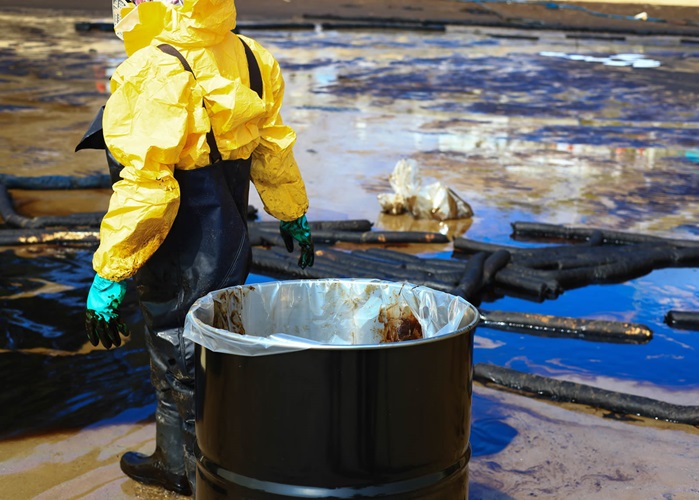
Will the BP spill change anything?
BlogThe BP oil spill may drive incremental regulatory and safety improvements, but dependence on oil limits major change, making long-term transformation unlikely. -

Is Telecommuting an EHS Issue?
BlogAllowing employees to work from home benefits employers, employees and the environment. -

Local Initiatives Create Sustainable Communities
BlogLocal initiatives, such as community partnerships, green infrastructure, and grassroots programs, help build sustainable communities by improving environmental outcomes, strengthening local economies, and fostering collaboration among residents, businesses, and governments to address sustainability challenges. -

So, who’s minding the store?
BlogAs regulatory enforcement weakens, organizations face greater responsibility for managing EHS risks. Explore whether corporate governance and market forces can effectively replace regulation, and what this shift means for EHS metrics, accountability, and leadership decision-making. -
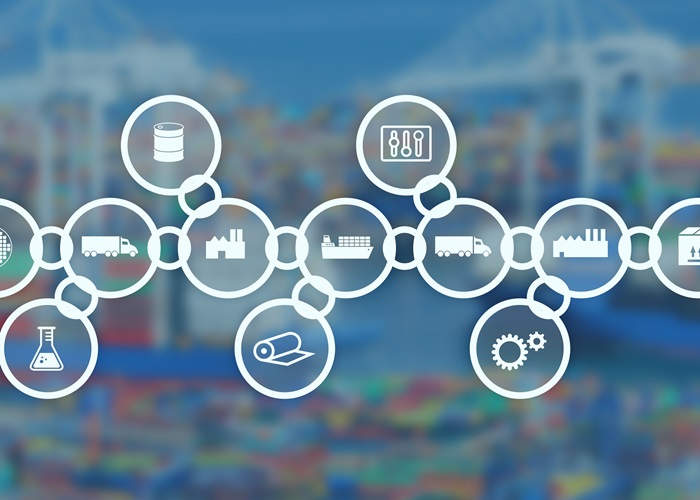
How safe are the chemicals in your supply chain?
BlogWith new chemical regulations emerging in both Europe and the United States, companies are being challenged to improve chemical transparency, strengthen supply chain communication, and rethink how they manage chemical data and compliance. -
AEP's Integrated Reporting Approach
BlogAmerican Electric Power’s integrated corporate accountability report demonstrates how sustainability leaders can drive meaningful change through transparency and stakeholder engagement. By combining sustainability and annual financial reporting, AEP took a significant step toward connecting environmental and social performance with business strategy. The report highlights the growing importance of clear sustainability communications, stakeholder dialogue, and accountability, while helping bridge the gap between society’s environmental expectations and its reliance on essential services. -

Why AEP Integrated its CSR and Annual Report
BlogInvestors, customers and other stakeholders have been increasingly asking us for more information on a broader range of issues. What we weren’t doing well enough was framing the whole picture by tying the financial aspects of our performance together with our policy positions, environmental compliance, safety performance, workforce development and technology investments. -

-

Can we manage without the outdated rhetoric?
BlogOutdated EHS rhetoric limits impact; leaders should prioritize clear, practical communication that connects safety efforts to business value and results. -

Can we have our cake and eat it too?
BlogCan economic growth and environmental sustainability truly coexist? This commentary explores competing perspectives on consumption, population growth, and the future of sustainable development, inviting readers to consider what long-term sustainability may ultimately require. -