-

Signs of a Strong EHS Culture
BlogA strong EHS culture is defined by visible leadership commitment, shared accountability, and integration into daily operations, where employees are engaged, well-trained, and consistently prioritize safety and environmental responsibility as a core value. -

Maybe a Village is Not the Answer
BlogThe idea that “it takes a village” suggests shared responsibility, but in practice collective solutions can diffuse accountability. Effective EHS leadership often requires clear ownership, defined roles, and decisive action rather than relying on broad, loosely shared responsibility. -
Inside the 2011 Newsweek Green Rankings
BlogJoining us for this audience Q&A are experts from Trucost and Sustainalytics. -
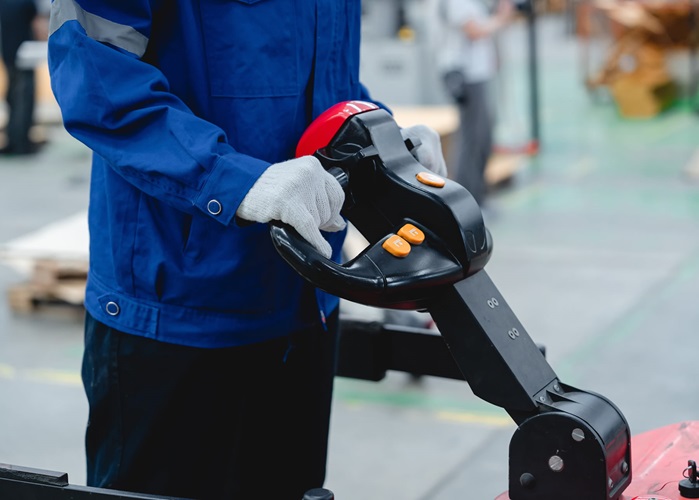
Ergonomic Success Requires Leadership
BlogErgonomic success depends on active leadership. Senior management must set expectations, provide resources, track progress, and enforce accountability to drive sustained workplace safety improvements. -

Would you fire your boss?
BlogWould you fire your boss? It’s a provocative question that invites reflection on leadership effectiveness, trust, and whether managers truly earn their teams’ respect and commitment. -

What makes ergonomics "green"?
BlogThe concept of “green ergonomics” highlights how workplace design can support both employee well-being and environmental sustainability. By creating safer, more efficient work environments and processes, organizations can reduce injuries, improve productivity, minimize waste, and conserve resources. Integrating ergonomics into sustainability initiatives also helps strengthen employee engagement and operational performance, demonstrating how human-centered design can contribute to broader business and environmental goals. -

Making Room for Creative People in the Workplace
BlogLearn about navigating the demand for creativity in the workplace amidst work environments that are suppressing "human flourishing". -

-

Turning Environmental Metrics Inside Out
BlogI’ve been thinking about the enormous quantity of data that environmental, health and safety (EHS) managers have to collect in order to respond to environmental, social and governance (ESG) research surveys. I am convinced we are measuring the wrong things. -

Cultivating a Culture of Green: An Interview with Andrew Winston
BlogConsumers have continued to evolve and grow more ‘conflicted’ about purchases. Weather/climate-related events have exacerbated an already short supply of almost all basic commodities. The cost of doing business is rising. In short, this is an amazing opportunity to go green now. -

How Did You Pick Your EMIS?
BlogThis decision will not only make or break your department’s effectiveness, but will also greatly impact your staffing, budget, and ability to integrate with the rest of the business. In fact, it may set you on the right course to career success. -

Best Practices for Selecting an EMIS
BlogWhile many organizations invest significant time and money into EMIS systems, some are a lot more successful than others. Learn best practices to maximize your chances of success. -

When it Comes to ESG Metrics, Materiality Matters
BlogRight now, there’s a feeling that much of disclosure goes into a black hole. And there’s little transparency, rigor or consistently in how sustainability performance is measured. -

The Method Behind the NASDAQ CRD Index
BlogWhat does a company's environmental, social and governance (ESG) metrics say about its future performance? A lot, according to CRD Analytics' Michael Muyot. -

Recognizing the "Unsung" Environmental Heroes
BlogEnvironmental progress and workplace safety improvements don't happen by accident. They are the result of the dedication and expertise of EHS professionals who work behind the scenes to reduce environmental impacts, protect workers, and help organizations operate more sustainably. Their efforts have contributed to cleaner communities, safer workplaces, and lasting benefits that touch nearly every aspect of modern life. -

How to Find an "Ergo Meter"
BlogFinding an ergometer requires understanding your purpose (fitness, testing, or rehab), evaluating machine types and features, and balancing cost, accuracy, and durability to match your organization’s needs. -

Treating an Audit as a Chance to Improve
BlogTreat audits not as a compliance exercise, but as a valuable opportunity to strengthen performance and drive continuous improvement. -
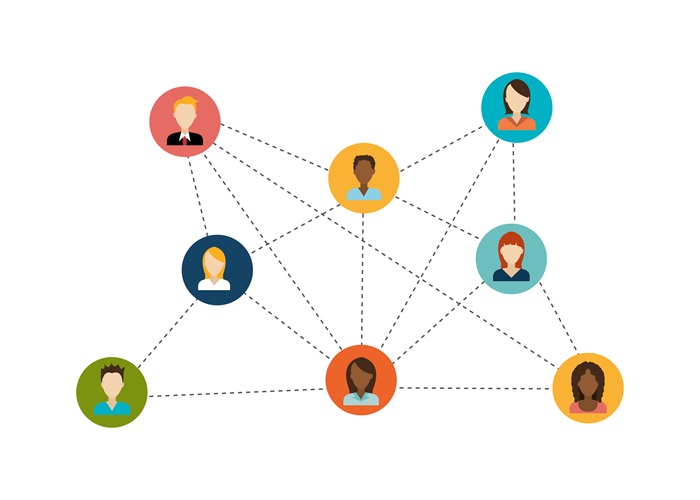
From Professional Network to Life-Long Friends
BlogIn this reflection for Member Appreciation Week, Ana Fernandez shares how NAEM helped shape her professional growth, connect her with a supportive EHS community, and create lasting relationships throughout her career. -
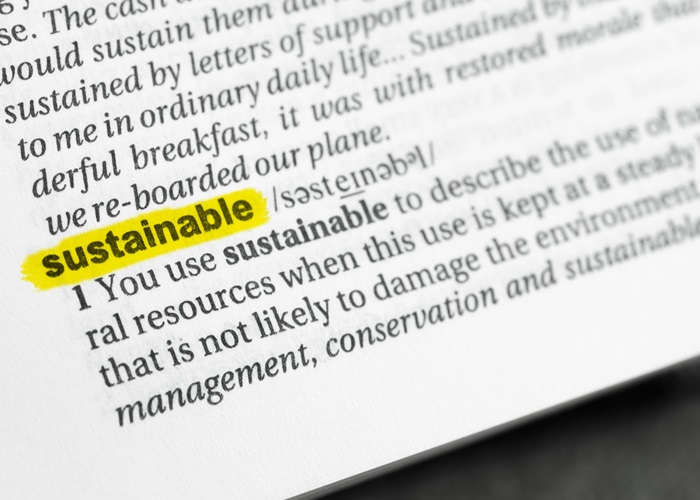
How do you achieve what you can't define?
BlogWhat does "sustainability" actually mean? As the term has become more common, its meaning has also become more ambiguous, often leading to confusion rather than clarity. This post explores why defining sustainability with greater precision can improve communication, strengthen collaboration, and help organizations make more meaningful progress toward their goals. -

It's Hard to be Present When You're "Always On"
BlogConstant connectivity and busyness fragment attention, pulling focus toward tasks, notifications, and future concerns, making mindfulness difficult.
